
This blog post is about raising awareness of ethical business practices in Online Advertising and Affiliate Marketing by large conglomerates.
Jack closes his eyes to soak up being in the middle of an African palm tree plantation. He can feel the heat and moist air on his skin. Jack can hear the birds singing and the insects chirping. He can smell the wet earth from the rain, the ground is spongy beneath his feet from the downpour. He is supposed to be writing a blog post about the best practices for online advertising and affiliate marketing for the oil industry.
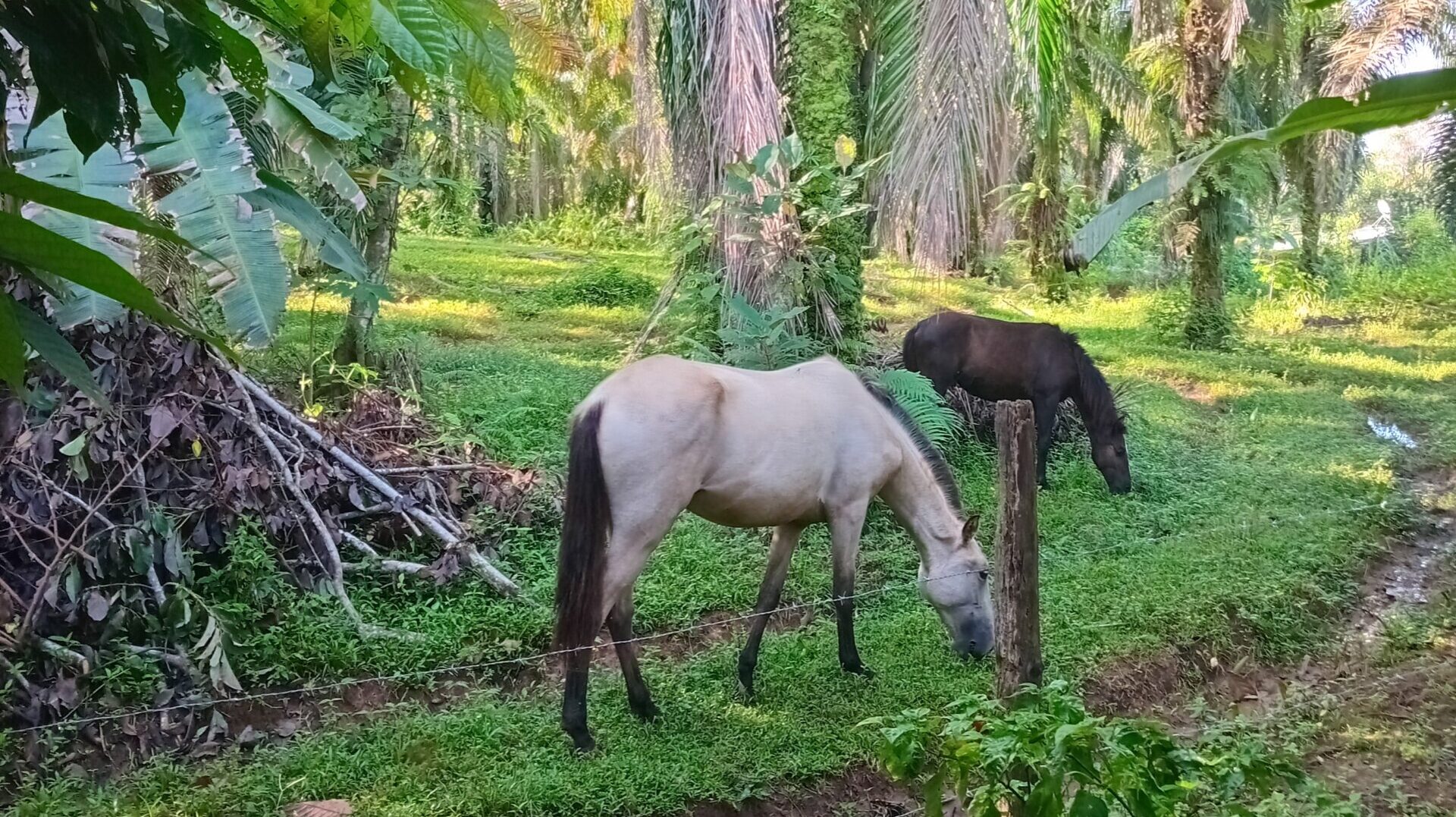
Instead, he walks inside and gazes out at the palm trees letting his senses taste the environment around him. Jack is deep in the jungle of Costa Rica working on a research project called the ‘Heart of Palm’ for his master’s degree program while employed remotely by ExxonMobil as an Affiliate Marketer.
That is correct, Jack lives in the middle of an African palm tree forest along the Pacific Coast of Costa Rica working as an affiliate marketer for ExxonMobil while he completes his degree. Curious about the environmental impact of different oil industries, Jack has been studying the effects of fossil fuels throughout his academic career.
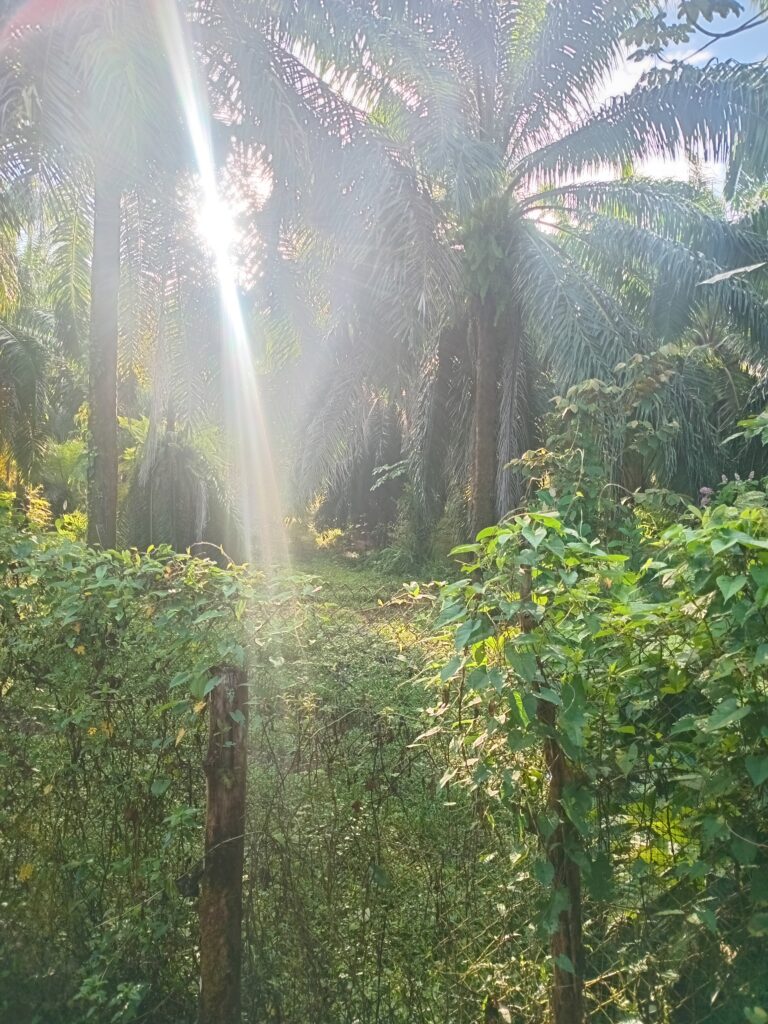
Looking out the screen Jack cannot stop wondering about the environmental impact of the nonnative African palm trees he lives among. He knows the deforestation of Costa Rica has been caused by palm and banana trees for production in the US. He takes one more glance out the screen before he gets started writing his blog post on the Best Practices for Online Advertising and Affiliate Marketing for Big Oil.

Online advertising has four main objectives: branding, direct response, engagement, and sales ensuring a wider reach. Affiliate marketing acts as an advertising network allowing pre-purchased ads based on performance promoting other businesses (Red & Yellow, 2022).
The oil industries use online advertising marketing to promote their businesses, increase brand awareness, improve sales, and mitigate their reputations. Best practices for online advertising include the use of several unique online tools. The five most common best practices for online advertising use Search engine optimization (SEO), Pay-per-click (PPC) ads, social media posts, Blogs and podcasts, and Authority articles.

The five most common best practices for affiliate marketing include Creating an Agreement, Diversifying Affiliate Partners, Motivating Affiliates, Building Affiliate Relationships, and Building an Audience. Jack’s research leads him to the most important aspects of best practices for online advertising and affiliate marketing, business ethics. His research shows that using business ethics, integrity, and honesty about the company’s products and services will have the most impactful benefit to the organization’s ROI.
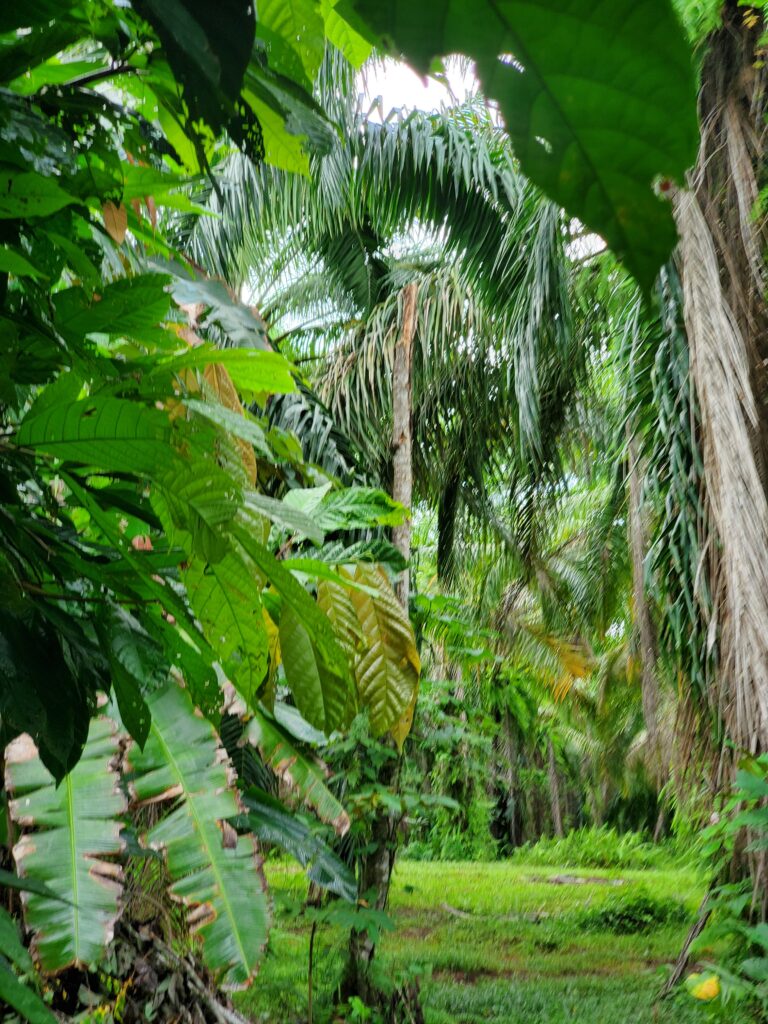
Living remotely in Costa Rica, Jack uses online affiliate marketing tools for promoting ExxonMobil like Product Name, Product URL, Picture, Price, and Description. Each online marketing tool helps businesses like ExxonMobil make use of online advertising and affiliate marketing to promote their products and services. A fantastic example of how online advertising can be used positively with integrity is ExxonMobil’s website with its optimistic impact on the environment. Their website clearly expresses Exxon’s ongoing commitment to decreasing carbon emissions from fossil fuels using best business practices that focus on advancing climate solutions. ExxonMobil uses Affiliate Marketing by hiring individuals, or “affiliates”, like Jack to advertise for them in exchange for commissions. PetroLessions is a website designed just for becoming an affiliate marketer of the oil industry, located in Houston, Texas, the heartbeat of the oil industry.

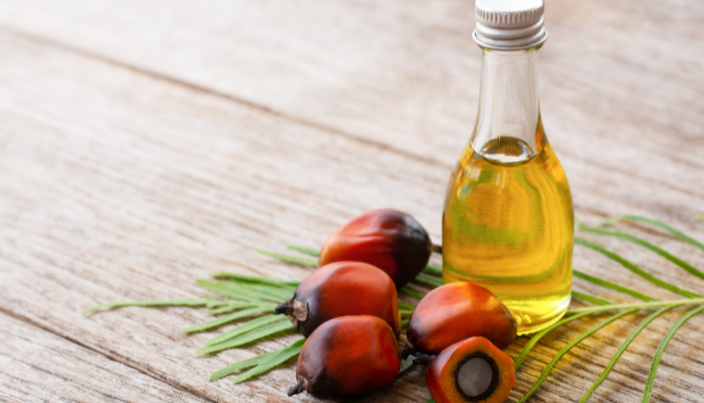
Oil is big business; every kind of oil is big business including the oil made from the African palm trees in Costa Rica. The heart of the African palm tree is its seeds, the seeds are processed into oil along the Pacific Ocean of Costa Rica for the production of margarine. The Federal Margarine Act was lobbied in 1886 which imposed a restrictive tax on margarine production in multiple states in the upper mid-east creating The Butter War (Rupp, 2014).
Butter producers objected to margarine being tinted yellow, insisting that marketing margarine as a butter substitute was fraudulent, a deliberate ploy to deceive the public. Butter is made from the milk of dairy cows and margarine is a byproduct of plant oil, like the African palm trees of Costa Rica.
During the great Butter War of 1870 Lucius Hubbard, Governor of Minnesota gave an impassioned speech about margarine saying; “the ingenuity of depraved human genius has culminated in the production of oleomargarine and its kindred abominations.” A Senator of Wisconsin said adamantly that “butter should come from a dairy, not the slaughterhouse” because another ingredient of margarine is animal fats (Rupp, 2014).
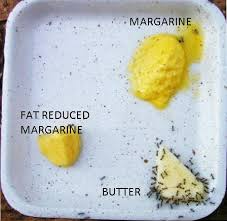
Margarine largely overtook the production of butter during World War I due to the rationing of butter. People switched in large numbers to plant-based margarine creating a huge demand. The demand for margarine drove the deforestation of Costa Rica’s natural biodiversity spearheaded by The United Fruit Company for the production of palm seed oil. The United Fruit Company, known today as Chiquita Brands International is the largest producer of African palm tree seed oil, the raw ingredient of margarine.

The African palm trees where Jack resides have replaced miles of the natural forest of Costa Rica, causing deforestation, water supply issues, and a negative impact on the indigenous people. The production of margarine along with false marketing campaigns has led people to believe palm seed oil is a healthier product than naturally made butter from cow’s milk.
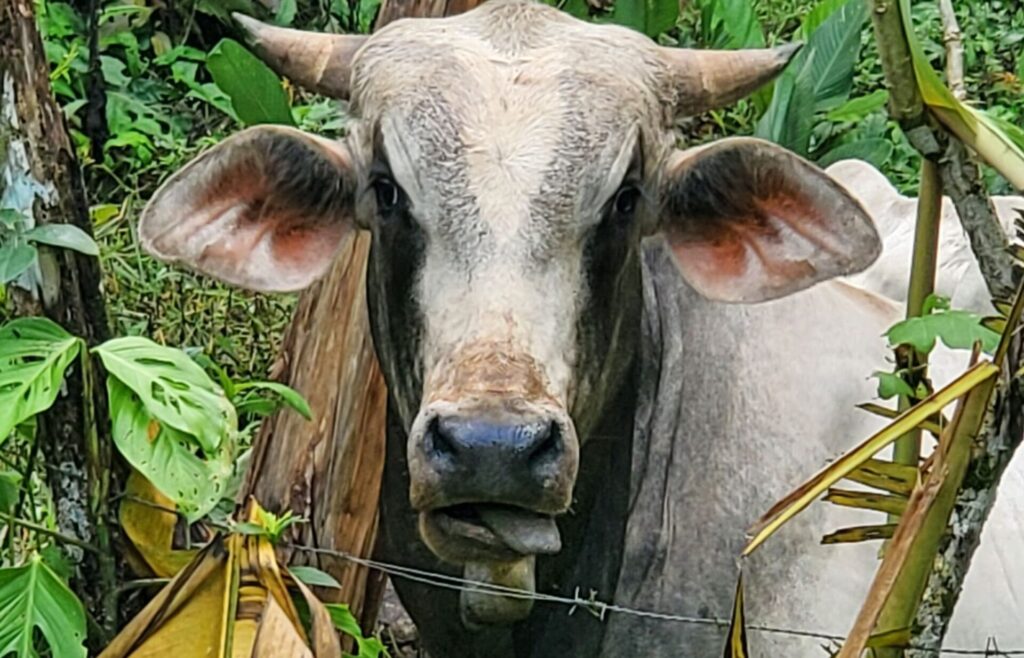
The Chiquita brand is globally known for producing bananas in Central America along the Caribbean and palm seed oil along the Pacific Ocean side. The Chiquita brand is an American-Swiss company owned by Safra Group an international network of companies controlled by the Vicky Safra family of Brazil. Vicky Safra is a Greek-born billionaire and one of the richest people in the world with her family controlling the Safra banking empire alongside the huge food monopoly of Chiquita Brands International.
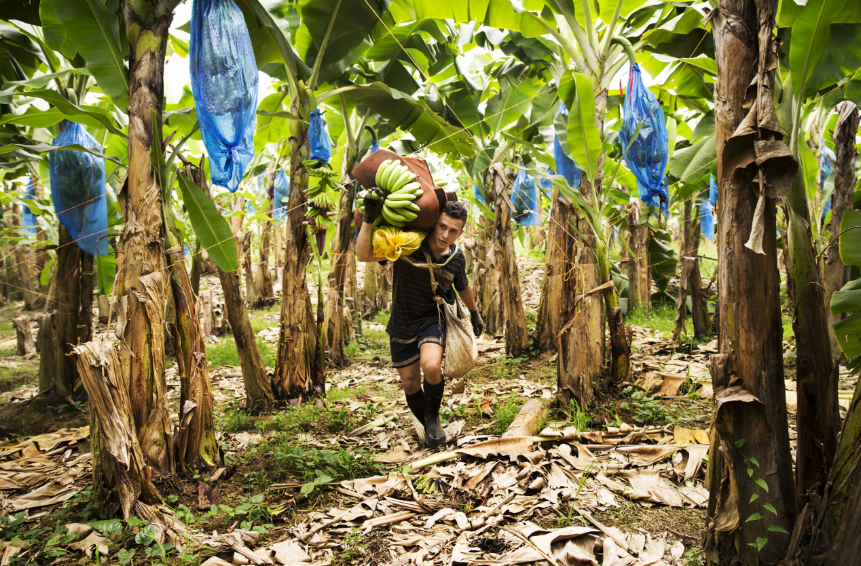
The Chiquita Brand has used deceptive marketing for decades to promote its margarine brands as a healthier choice than butter. When in fact margarine is far worse for our bodies because of the trans-fat. Trans-fats are produced when the palm seed oil is hydrogenated turning the liquid oil into a solid type of substance that looks like butter (Hayley, 2015).
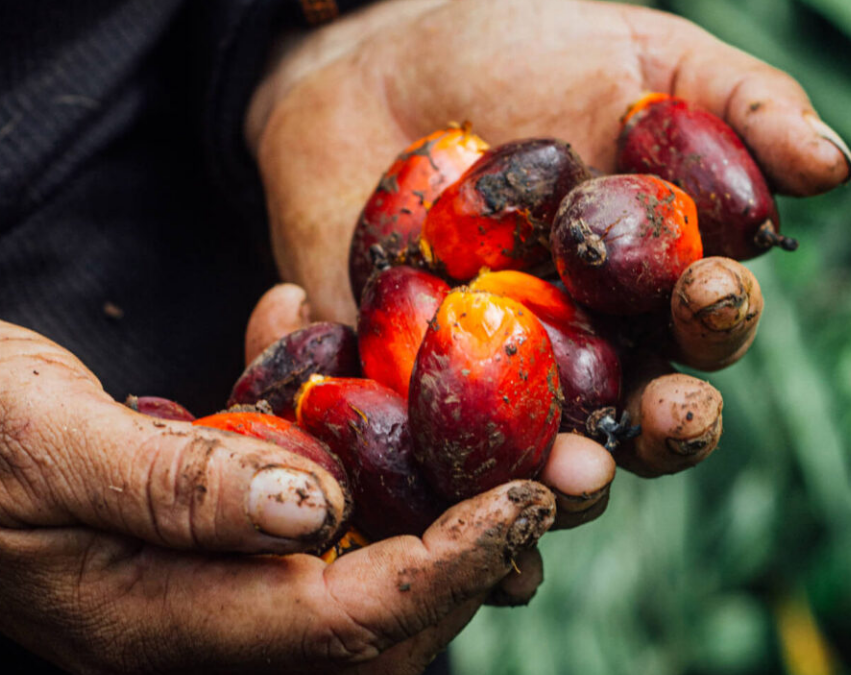
From farm to table, from big oil to seed oil, this blog post spans multiple countries. It brings together Jack’s perspective on palm seed oil and his knowledge of best practices for online advertising and affiliate marketing for Big Oil. It brings awareness to two examples of ethical business practices by large conglomerates and how each uses marketing as a tool.
ExxonMobil with its affiliate marketing and Chiquita with its deceptive advertising. Jack reminds himself that no matter the kind of marketing tools available the ethics behind the advertising are what brings added value to the customer and stakeholders. Jack finishes his article on the Best Practices for Online Advertising and Affiliate Marketing for the oil industry as he slathers butter on bread. Jack knows ants won’t eat margarine. Jack concludes that the best practices for online advertising and affiliate marketing are using business ethics, integrity, and honesty because the tools themselves are only as good as the user.

References
Hayley. (2015, 3 10). The truth about margarine and why you should avoid it! Retrieved from BetterHealth The Innovative Solution: https://betterhealthpractice.com.au/truth-margarine-avoid/
Red & Yellow. (2022). The Essential Guide to Marketing in a Digital World. Cape Town: Quirk eMarketing. Retrieved from file:///C:/Users/sonya/Documents/SOU%20MBA/BA%20536%20Internet%20Marketing/eMarketing_2023_Red__Yellow.pdf
Rupp, R. (2014, 8 13). The Butter Wars:. Retrieved from National Geographic: https://www.nationalgeographic.com/culture/article/the-butter-wars-when-margarine-was-pink#:~:text=In%201886%2C%20passionate%20lobbying%20from,further%20and%20banned%20margarine%20outright.
Industrial Margarine Market Size, Share & Industry Analysis
CHIQUITA BRANDS COSTA RICA SRL
Digital Marketing Strategy: Data-Driven Strategies for a Modern Marketing Era
Climate Change and Digital Advertising ~ The Oil and Gas Industry’s Digital Advertising Strategy
6 Proven Digital Marketing Strategies For Oil And Gas Companies
Oil and Gas Digital Marketing: 3 Proven Strategies
Costa Rica’s African Palm Oil Dilemma
A Brief History of African Palm Production in Costa Rica
2030 oil palm plantation carbon footprint estimation using O-LCA and forecasting