
This post is about Best Practices for Website User Experiences (UX), Blog Posts, Search Engine Optimization (SEO) and Website Design. User Experiences are based on the Search Engine Optimization and Blog Post which are reliant upon the Website Design. So, let’s start with the best practices for Website Design because everything revolves around the website design.

Website Design ~
The Essential Guide to Marketing in a Digital World describes the fundamental principles of good website development and functionality. The eBook states: “Web design is the process of creating all the visual aspects of the interface (Red & Yellow, 2022).” The interface includes the design elements (such as buttons and links) the layout, type, color scheme, images, logos and anything else someone might see. WIX an Israeli software company that provides cloud-based web development services, offers tools for creating HTML5 websites and mobile sites online recommends these ten game-changing web design best practices for user-friendly site navigation. Click on each one for a deeper dive into the subject.
- Maintain visual consistency
- Develop a clear visual hierarchy
- Design with ample white space
- Make the navigation intuitive
- Avoid burdening pages with lots of text
- Create call-to-action buttons that stand out
- Use a mobile-friendly design
- Focus on website speed
- Design with accessibility in mind
- Leave a lasting impression
Another website developer Studio Culture’s created the “4 C’s” of Web Design that consist of Clarity, Color, Content and Call to Action implying these key features are the best practices to keep in mind when planning your website design. The thing to remember is that website design is not about aesthetics but about prioritizing the human experience inaction with the website. The objective is a website design that increases sale, creates a place for brand ambassadors, encourages sign-ups and ultimately channeling clicks into stakeholder value.
Search Engine Optimization ~
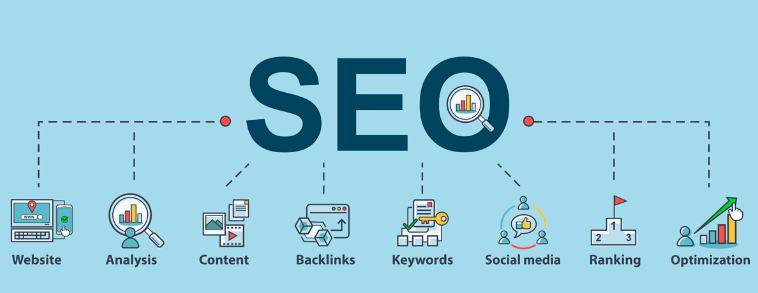
The Search Engine Optimization tool is how people find your website with keywords by aiming to improve a website’s ranking during organic search results. As explained in the eMarketing book SEO is a technical practice with five main areas:
- A search engine friendly website structure
- A well-researched list of keywords
- Content optimized to target those keywords
- Link popularity
- User insights
Marketing content and SEO techniques go hand in hand because the SEO tool focuses on the keywords and phrases embedded within the websites marketing content. The use of SEO techniques is vital for a website because the tools is made for website owners to rank higher in search engine results. These tools help boost the website’s contents’ visibility on SERPS (search engine results page) making it easier for users to find products and services.
Google offers its own tool call the Google Keyword Planner for website builders to help choose which keywords are best for their website. The keyword planner is very helpful when designing a website for the SEO. Another useful tool for SEO optimizations is Backlinks. Backlinks are tools for integrating form content and improve domain authority leading to more revenue for your business. Keying the domain name into the SEO is an important part of optimization by helping customers easily find your site by name. Social media is also a fantastic SEO marketing tool allowing you to analyze data from Facebook, LinkedIn, X and other social media platforms. Having a SEO technician that consistently keeps a close eye on the SEO metrics optimization is critical for success.
Blog Posts ~

Who * What * Where * When * Why ~ Blog Posts need to satisfy these questions. Writing digital content that ensures the audience understands and engages with the post is vital for stakeholder value. Best practice for writing blog post include using keywords, proofreading, using headings & subheadings, adding images and graphics to enhance the visual effects. Defining the audience is a key best practice along with adding blog tags scheduling content and creating an outline. The blog needs to be engaging and interesting for the reader. Blogging helps establish SEO objectives, categorize the content, promotes the business content. Make sure to include relevant CTAs (Call to Action) buttons, ensure fast page loading, use bullet points and publish consistently and often.
Indeed, Career Guide has a good article on the 15 Blogging Best Practices to Attract New Readers that suggest adaptability is key for entertaining readers, boosting engagement and increasing the number of people visiting your website. The Best Practice for Blog Post is to remember to satisfy the Who * What * Where * When * Why questions that every reader is looking to understand.
User Experiences (UX) ~

Basically, the Website Design, Search Engine Optimization and Blog Posts are all for the User Experience. User experiences differ based on the audience, context and purpose of the visit. The UX can be defined as the physical, emotional, sensory, mental and overall experience a person has while visiting your website. All things lead to the user experience and how UX will convert into stakeholder value.
In summary all roads lead to Rome or in this case the end users experience while visiting your website. The Website Design, the Search Engine Optimization and Blog Post should all be focused on the user experience, creating stakeholder value and customer satisfaction.
By: Sonya
References
Red & Yellow. (2022). The Essential Guide to Marketing in a Digital World. Cape Town: Quirk eMarketing. Retrieved from file:///C:/Users/sonya/Documents/SOU%20MBA/BA%20536%20Internet%20Marketing/eMarketing_2023_Red__Yellow.pdf
Studio Culture’s “4 C’s” of Web Design
Hi Sonya,
Your blog post offers an excellent overview of the interconnectedness of website design, SEO, and user experience. It’s clear that you’ve put significant thought into how these elements work together to create a cohesive online presence.
I particularly appreciate your emphasis on the importance of website design as the foundation for effective UX. The principles you outlined, such as maintaining visual consistency and focusing on mobile-friendly design, are crucial for creating an intuitive environment that encourages user engagement. It’s a great reminder that aesthetics should not overshadow functionality.
Your insights into SEO highlight its critical role in driving traffic to websites. The mention of tools like Google Keyword Planner and backlinks illustrates how strategic planning can enhance a site’s visibility. Engaging content that answers the audience’s key questions is essential, and your list of best practices for blog posts is spot on.
I also found your point about the emotional and sensory aspects of UX intriguing. It’s essential to recognize that users are not just looking for information; they want a seamless and enjoyable experience that keeps them coming back.
Overall, your post effectively ties together these components and emphasizes the ultimate goal: enhancing user experience to create lasting stakeholder value.
Best,
Calli Pelkey
Web designers should incorporate professional product pictures on the website. These images will immediately hold the viewer’s attention. Images are processed quicker than text by our brains. One great product image is better than a cluster of images that may overwhelm the viewer. The website homepage must be simple to navigate to ensure a positive customer experience. Menu categories on the home page should direct viewers to their desired page. Menu hovers may be a convenient way for customers to browse subcategories. It may also cover information the customer is viewing when it is activated unintentionally. These menu hovers can be delayed preventing this nuisance. It is important to create a fast checkout process option to minimize cart abandonment. Unnecessary account creation information should not be requested during the checkout process. This information can be collected once the purchase is complete. Website promotional pop-ups should be kept to a minimum to avoid customer frustration (Laurinavicius, 2024).
Reference
Forbes. (2024, July 26). eCommerce Website Design Best Practices & Examples. https://www.forbes.com/advisor/business/ecommerce-website-design/