Best Internet Practices
Best Practices for Website UX, Blog Posts, SEO, and Web Design

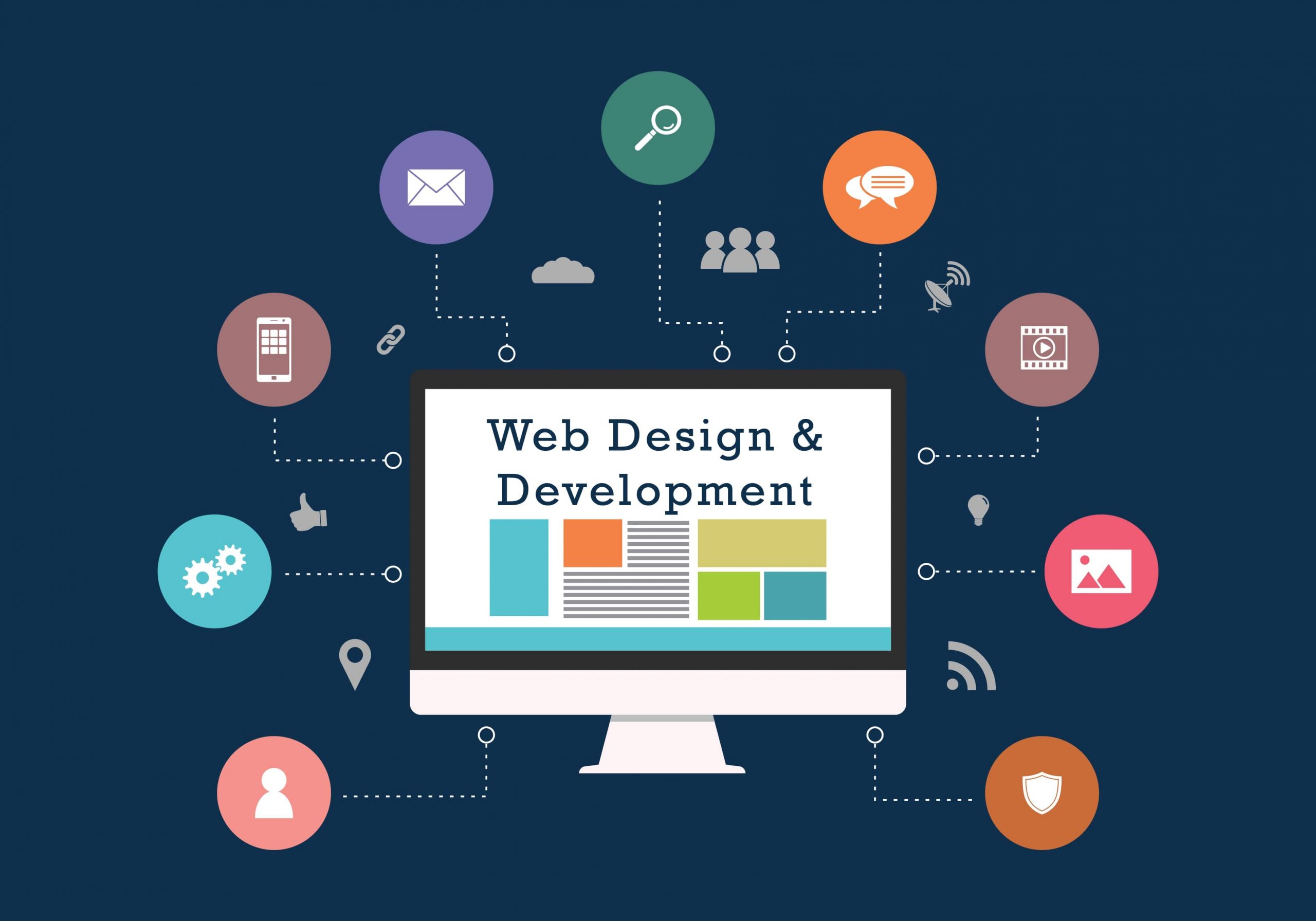
Businesses achieve strong digital presences by effectively integrating essential components such as user experience (UX), blog content, SEO tactics, and website design. These elements combine to form a website that easily attracts users and drives conversions.
- Website User Experience (UX)
User experience design aims to build naturally and easily understood interactions. Following best practices means implementing responsive design and simple navigation while ensuring websites load quickly. When businesses understand user needs, they create websites that provide seamless usability and gain the trust of their audience. The site uses accessibility tools, including alt text and mobile optimization, to enable in-depth interaction for every visitor. Effective UX design leads to higher engagement levels from users while lowering the frequency of page exits.
- Blog Posts
Blogging builds brand authority and customer relationships. Blog posts achieve effectiveness by maintaining relevance while following a clear structure and delivering benefits to readers. Use clear headlines, subheadings, and concise language. Blog posts must deliver educational insights or entertaining material instead of focusing solely on product advertisements. Using internal links and images and regular posting schedules increases user engagement and search engine optimization.
- Search Engine Optimization (SEO)
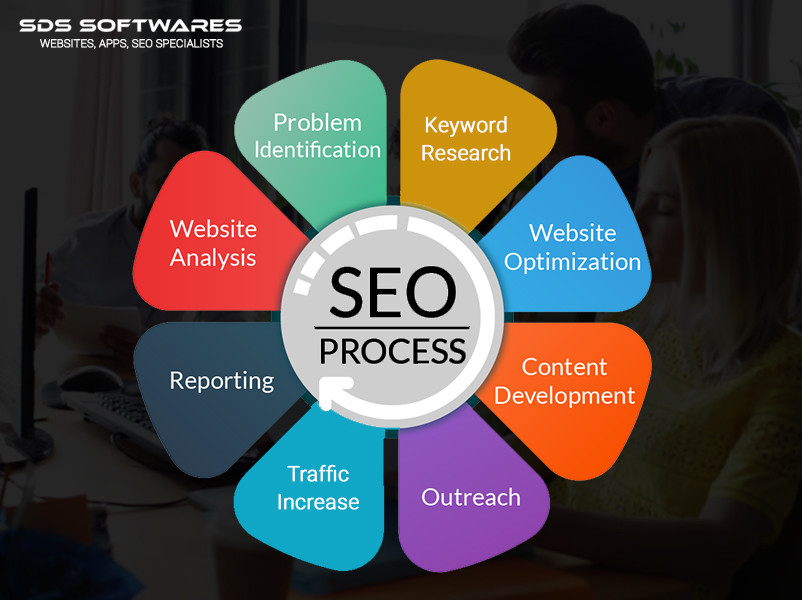
SEO improves visibility in search engine results. Optimizing SEO requires using precise keywords within headings and meta tags, clean URLs, and tailoring content for mobile devices with fast load times. Material needs to align with user intent while maintaining a logical framework. Regular audits and analytics help fine-tune performance. SEO achieves optimal results when it is embedded into both content creation and design phases at the beginning.
- Website Design
Website design goes beyond aesthetics; web design supports functionality and brand identity. A good design uses consistent branding, visual hierarchy, and a mobile-first layout. Elements like CTAs, white space, and intuitive layouts help users take action. Also, proper coding, including semantic HTML and optimized images, supports accessibility and search indexing.
A website that attracts and retains users emerges from robust UX integration, helpful blog content, effective SEO, and clean design. Implementing these best practices enables websites to provide value to users and build trust, which leads to effective conversions, which represent fundamental objectives in digital marketing.
Summary “What Makes a Successful Website”
A dissertation that Sara Scott-Parker conducted at the Cumbria Institute of the Arts investigates essential elements that lead to website success. The research emphasizes how web design requires a multidisciplinary approach by examining the relationship between usability, accessibility, and design principles. The investigation covers multiple aspects of web development, including user satisfaction and strategies for engaging website visitors. Usability is a crucial element because this guarantees that websites remain easy to navigate and function efficiently while being intuitive. Users should be able to find information on websites easily through clear structures and minimal navigation effort.
Accessibility is an essential requirement that enables in-depth user interaction for all individuals, including those with disabilities. Accessibility requires websites to supply text alternatives for images while maintaining compatibility across different browsers and devices. Numerous websites do not meet accessibility standards, which restricts their potential audience (Scott—Parker, 2003).

Another key factor is searchability, which is how well a website’s content is indexed by search engines. Properly using meta tags, keywords, and a clear structure can help improve a site’s visibility. Additionally, compatibility across different platforms and devices (e.g., mobile, desktop) enhances the user experience.
Both interactivity and branding play crucial roles in engaging users. Websites must enable users to engage with content that creates dynamic user experiences. The integration of consistent visuals and messaging forms a strong brand presence, which builds both identity and trust among consumers.
Photo: supersonicplayground.com
The report concludes that success depends on more than just design. A website’s purpose determines the structure, which adjusts according to whether a website aims to inform users, promote sales, or entertain. Maintaining relevance and effectiveness requires continuous updates and adjustments based on audience feedback and analytics (Scott—Parker, 2003).
A successful website blends usability, accessibility, and searchability while aligning with its intended audience’s needs and expectations.
References
Johnston, L. (2015). BA 436/536 Internet marketing & e-commerce: Notes from the essential guide to marketing in a digital world [Unpublished manuscript]. Southern Oregon University.
Scott-Parker, S. (2003, January). What makes a successful website? Multimedia Design and Digital Animation at Cumbria Institute of the Arts.
Visual Alchemy