
A Reflection from Graduate Course: Internet Marketing and E-Commerce, 2025
(Image Source: OpenAI, 2025).
#1. Sustainability in Digital Practice Is No Longer Optional
Sustainability in marketing involves not just what we create but also the how and why. In a values-driven market, adopting digital carbon awareness is crucial for building trust between brands and consumers.
#2. Personas Aren’t Profiles, They’re the Strategic Lens That Makes Marketing Accountable
Effective audience targeting is crucial for successful marketing, particularly for small businesses with limited budgets. I’ve often wondered how to define and validate a target persona without resources like surveys or focus groups, especially during my freelance projects. I had the opportunity to address this issue while working with a local “Example River Adventures” company. I aimed to validate findings about our audience rather than make assumptions. By utilizing available resources, including AI, TripAdvisor, and extensive data analysis, I conducted meaningful applied research (OpenAI, 2025).
I utilized GPT to analyze over 500 TripAdvisor reviews, 1,000 social media posts, and my own observations, ultimately creating Sage — a persona that represents a research-focused, emotionally driven family decision-maker. This guided our strategies for Example River Adventures company video content, blog tone, and social storytelling, emphasizing emotional outcomes, safety, and connection over mere adrenaline. Search engine optimization is often seen as just a set of techniques. However, this course and the Red & Yellow textbook redefine SEO as a foundational architecture that integrates clarity, trust, and discoverability into a website’s core structure (Red & Yellow, 2023).
#3. SEO Is Ethical Architecture, Not Keyword Gaming

Search engine optimization (SEO) is not just a collection of techniques; it provides a foundation of clarity, trust, and discoverability for a website (Red & Yellow, 2023). It is closely tied to user experience (UX), as fast and engaging pages enhance search rankings and improve user retention. However, while SEO helps attract users, memorable content is crucial for encouraging return visits.
#4. Analytics: From Numbers to Narrative

I didn’t build dashboards or run heatmaps during this course, but I learned to think critically about measurement. For small businesses like Example River Adventures, the goal is to gain actionable insights without being overwhelmed by data.
While creating promotional content for Wards Canyon rafting experience, I worked with the co-owner, to analyze what resonated with our audience. Using Instagram and YouTube analytics, we saw that captions could drive shares and that videos featuring staff personalities received more comments and saves.
Although it wasn’t formal A/B testing, we gained valuable insights. I started labeling our content by theme and emotional tone, which helped us identify what engaged our audiences. Ultimately, content showcasing people, and notably the guide, consistently outperformed highlight reels.
Strategic planning doesn’t always require advanced tools; it often involves asking the right questions, observing behavior, and iterative processes. For marketers in small businesses, the real value of analytics lies in gaining insights into what works rather than just validating assumptions.
#5. Where I Go from Here: Turning Practice into Purpose
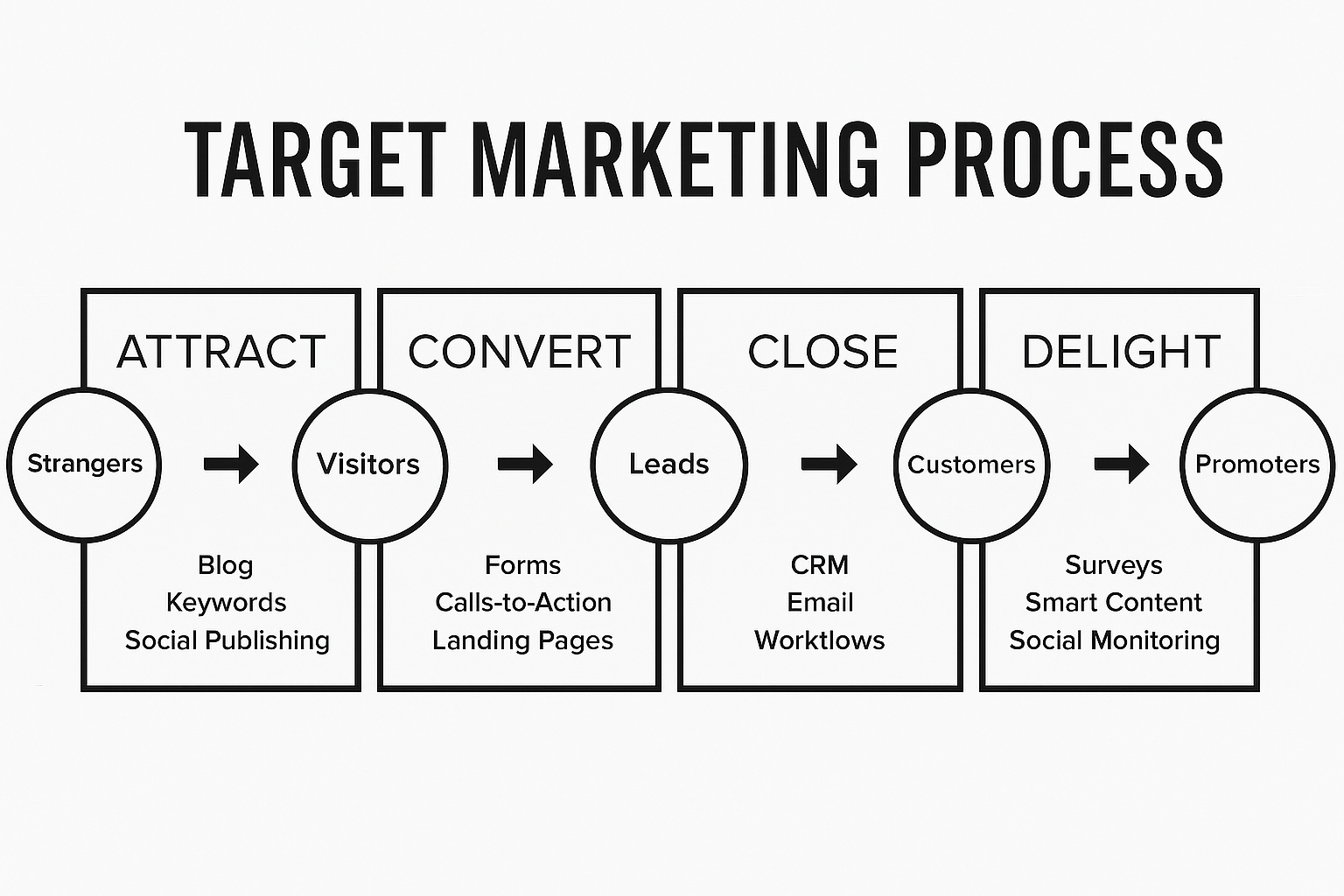
As this course concludes, my next challenge is clear: curating content that aligns with a defined persona and resonates measurably. With Example River Adventures’ target audience identified, I need to determine the most effective messages, formats, platforms, and storytelling frameworks to drive engagement, trust, and conversions.
Engaging audiences on the right platforms with compelling content is crucial. In my analysis of over 1,000 social media posts from regional rafting and tourism companies, I noticed that many competitors used ultra-short videos (10–20 seconds) that lacked context and emotional connection, resulting in lower engagement. In contrast, the most successful posts shared micro-stories about guides, families, or transformative experiences, typically lasting 2–4 minutes.
Research from YouTube and HubSpot shows that while short-form videos (<60 seconds) are great for discovery, videos between 2-5 minutes with emotional storytelling excel in engagement and conversion (HubSpot, 2023; Red & Yellow, 2023). This informed my Wards Canyon content plan, using 60-second Reels for awareness and 3-minute YouTube videos for persona-driven storytelling with Example River Adventures’ expert guides.
I plan to expand this approach by using A/B testing on narrative structure and visual cues, as well as scroll-depth analysis for video blogs and behavioral segmentation in GA4 to link engagement metrics to conversion behavior. As Chaffey and Ellis-Chadwick (2022) state, content that resonates must be supported by evidence. My goal is to build systems that prove this.
Conclusion
Internet Marketing and E-Commerce taught me a content-performance philosophy based on behavioral data, personal empathy, and business outcomes.
References
Chaffey, D., & Ellis-Chadwick, F. (2022). Digital marketing (8th ed.). Pearson Education.
EcoPing. (2023). The carbon cost of websites. https://ecoping.earth/blog/website-carbon-emissions
Grammarly. (2024). Writing assistance and AI-enhanced editing. https://www.grammarly.com
HubSpot. (2023, March 20). The state of content marketing in 2023 – Stats & trends to watch. https://blog.hubspot.com/marketing/state-of-content-marketing-infographic
International Energy Agency. (2022). Data centres and data transmission networks. https://www.iea.org/energy-system/buildings/data-centres-and-data-transmission-networks
OpenAI. (2025, June 12). ChatGPT (Ashley Ann Edwards’s custom conversation) [Large language model]. https://chat.openai.com
Pulizzi, J., & Rose, R. (2023). Content marketing strategy: Harness the power of your brand’s voice. Harvard Business Review Press.
Red & Yellow. (2023). eMarketing: The essential guide to marketing in a digital world (7th ed.). Red & Yellow Creative School of Business.
WordPress.org. (2023). Introduction to blogging. https://wordpress.org/documentation/article/introduction-to-blogging/