
If you want your website to receive attention and keep your audience interested and loyal, it has much more work to do than aesthetically pleasing pictures or fonts. There are more factors such as how people use it (UX), what you post (blogs), how Google finds you (SEO), and how the whole thing looks and works (website design). This week’s textbook reading helped me understand the basics, but doing research on more current articles helped me understand more of what’s working right now.
Website User Experience (UX)
UX essentially makes sure your site doesn’t bother people. This means they should be able to navigate their needs fast, without feeling lost or confused. Mapping out the “user journey” helps the owner of the website figure out where people might get lost so you can fix it (Forbes Agency Council, 2025). Accessibility is also crucial for people with disabilities and its search rankings. You may want to analyze your website and think if it’s easy for everyone to use without slowing people down, you’re doing UX right.
Blog Posts
Blog posts are very much centered on aesthetics, but your blog shouldn’t just be random filler or noise to make your site look busy. All your posts need a purpose—whether you’re teaching something, sharing tips, analyzing something for debate or sharing a good story. Your blog needs to be easy to read. This means clear headings, short paragraphs, easy to read fonts, and even some bullet points to give your reader a break from large texts. Another tip is to link your own posts to other posts because it keeps your reader engaged and interested and less likely to go to another blog. Consistency is key with your voice and quality.
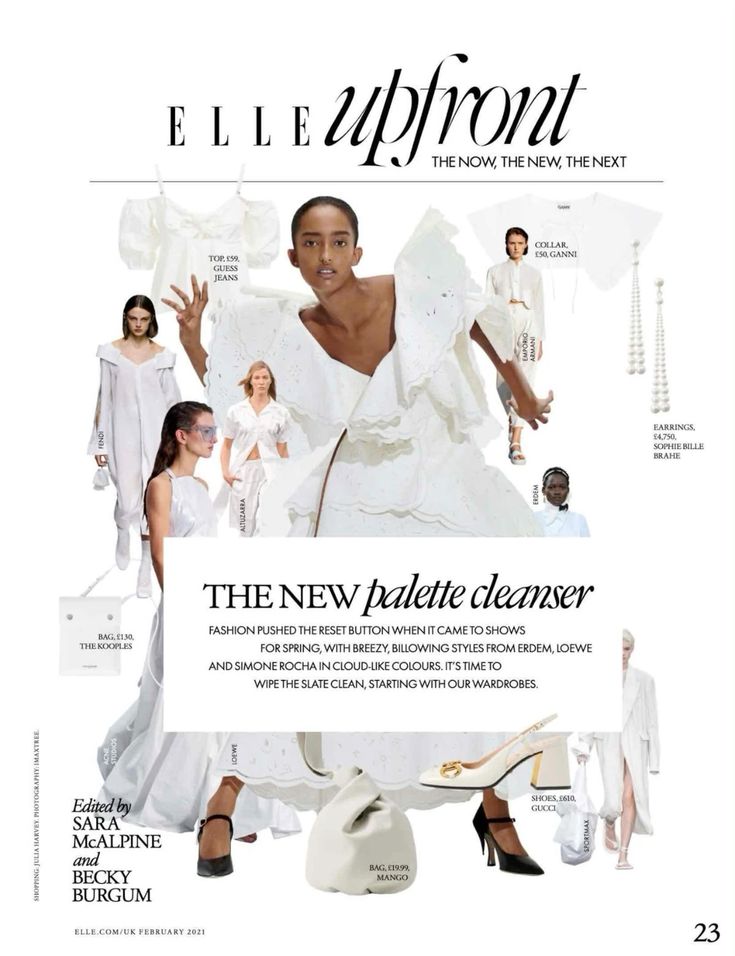
Fashion blog example
Search Engine Optimization (SEO)
SEO is what helps your audience find you on Google without paying for ads. The most important thing is to make sure your content matches what people are actually searching for. Your site needs to have the answers to questions your users are searching for (Harvard Media, 2023). Technologically speaking, a fast loading website, solid titles and meta descriptions and having it look good on phones is very important . SEO is also shifting now that AI is helping people search and find answers in very new ways, so your content needs to be clear, organized, and ready for that competition (Harvard Business Review, 2025). Also, backlinks from legit sites are incredibly useful for getting a higher ranking.
Website Design
Just like blogs, website design isn’t just about the looks—you need to make sure your site works for anyone, on any device. The website can work and appear very different if you don’t design it specifically for phones vs computers. That’s where “mobile-first” design comes in. Your fonts, colors, and images should match your brand aesthetic and target audience and stay consistent across every site. You need to learn about which platform—like WordPress or Shopify—is best for you and your goal depending on how much you plan to grow. The speed of your site is also a big thing to keep in mind. Compressing images, using caching, and making sure your hosting can handle traffic all keep your site from lagging (Forbes Business Development Council, 2023). Your website will thrive if it’s fast, easy to use, and on-brand much more than an aesthetically pleasing site but that is terrible to navigate. You don’t want to focus so much time on the looks and have your audience leaving due to the simple website design.
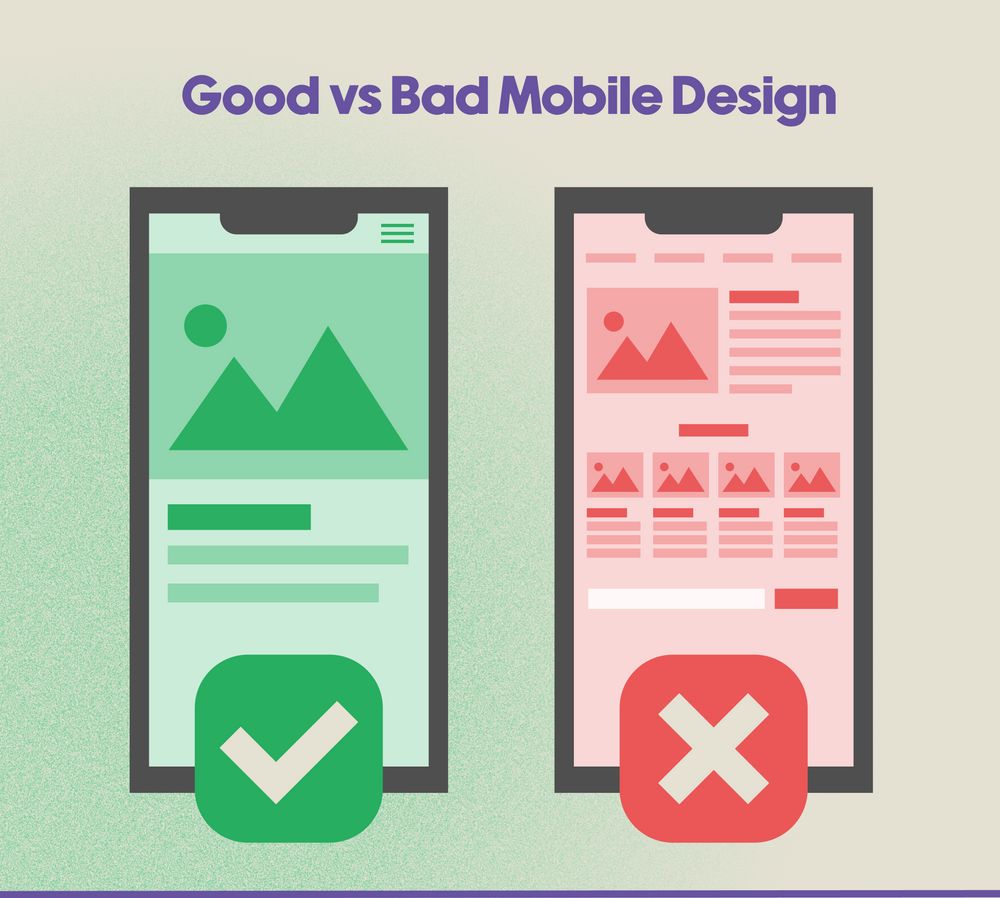
Putting all these practices together helps your site be aesthetically pleasing, simple to locate and navigate, exciting to read, and simple to use. UX makes it quick and smooth, blogs keep your readers wanting more, SEO gets you noticed, and design ties it all together. If you ignore or don’t prioritize some of these, you could be doing the site some damage for your customers.
References
Forbes Agency Council. (2025, February 3). 7 tips for balancing web design and usability. Forbes. https://www.forbes.com/councils/forbesagencycouncil/2025/02/03/7-tips-for-balancing-web-design-and-usability/
Forbes Business Development Council. (2023, January 30). Great SEO practices: 4 reasons they’re important and 4 ways to improve yours. Forbes. https://www.forbes.com/councils/forbesbusinessdevelopmentcouncil/2023/01/30/great-seo-practices-4-reasons-theyre-important-and-4-ways-to-improve-yours/
Harvard Business Review. (2025, June). Forget what you know about SEO—here’s how to optimize your brand for LLMs. Harvard Business Review. https://hbr.org/2025/06/forget-what-you-know-about-seo-heres-how-to-optimize-your-brand-for-llms
Harvard Media. (2023). SEO best practices: How to rank higher on Google in 2023. Harvard Media. https://www.harvardmedia.com/blog/2023-seo-best-practices
OpenAI. (2024). ChatGPT (GPT-4o version) [Large language model]. https://chat.openai.com/
Hi Isa, this week’s well-designed and informative post is a great read. I appreciate the layout and aesthetic of your post, as well as your blog in general. You’re right about UX and taking the time on the back end to test how user-friendly a site is. A great way to achieve this is to have a company distribute multiple designs across different departments to see which site prototype has the easiest click-and-go access. I appreciate you pointing out linking related blog posts to current ones, as the company/poster blogs to keep their consumers engaged and potentially gain new traffic as a result of customer loyalty. I also appreciate your comment on backlinks. Without it, I wouldn’t have known they help with SEO and significantly improve a website’s ranking, increasing the probability of a user finding your site first. For a blog, I suppose that would mean collaborating with another well-known blogger to build not only a relationship but also credibility. For website design, as I mentioned earlier, your blog content should also align with your blog aesthetic and the message you want to convey to your audience. However, I’d like to make sure that all your blog posts are mobile-friendly. Your introduction post was great and fit my phone perfectly, but in this post, some of the words and pictures get cut off, making your post unreadable on mobile. Overall, you covered all the essential aspects needed to create a great website. Have a great week!
I found this blog visually appealing, but a bit disjointed – the different colors between the headings and the content was confusing, if you keep the same color and not break it up into block it might be easier to follow. I also noticed that your introduction to this post was not bolded while it appears that the other sections are bolded. You could also integrate your pictures into the text, so the reader knows how they are related to the content.
The content is right on, and you did a great job of writing it in a way that is engaging without tons of technical language, so it is perfect of a novice learning about the topic.
I’m glad I stumbled upon this post, very helpful.