

Online advertising and affiliate marketing are two of the best ways brands can grow in today’s digital world. The internet is where people spend their time, find information, and discover new products. So if a business wants to stand out, it has to know how to advertise online and use partnerships in a smart way. Both tools help brands reach bigger audiences, but they work in different ways—and when used together, they can be really powerful.
Online Advertising
Online advertising is basically when brands pay to get their message out on digital platforms like websites, social media, email, or video content. Stokes (2022) explains that online ads work best when they grab attention visually and make people feel something. Think about it—if an ad is boring, even if you see it a lot, it’s just going to feel annoying. But if an ad has a vibe—something emotional, inspiring, or even funny—it sticks with you. Frequency also matters; the more people see your ad, the more they remember your brand, but it has to be balanced so it doesn’t become spammy.
Take fashion, for example. If a brand creates a campaign showing diverse models and uplifting messages about confidence and inclusion, that ad leaves people feeling good. Every time they think about the brand, they connect it to that same positive energy. But if a brand rarely advertises or the message is unclear, the ad won’t have the same impact. The key is keeping ads emotional, consistent, and clear so the brand actually leaves an impression.

Affiliate Marketing
Affiliate marketing works a little differently. Instead of paying for ad space, businesses partner with someone who already has influence—like an influencer, blogger, or company—and give them commission for promoting their product. As Chaffey and Ellis-Chadwick (2019) point out, affiliates act as a bridge between the brand and customers because people trust recommendations more than traditional ads.
This is especially true in the age of influencers. Reality TV stars from shows like Love Island or The Bachelorette can become affiliates overnight, even if they only appeared briefly on the show. Their social media following makes them valuable partners for brands that want to reach specific audiences. Smaller brands might work with mid-tier influencers because they’re more affordable, while bigger companies can afford celebrity endorsements to reach millions of people.
For fashion specifically, affiliate marketing can really shine when there’s alignment between the brand and the influencer. Imagine a fashion brand that celebrates confidence, spirituality, and maximalist style teaming up with Erykah Badu. Not only does she embody those values, but her audience already respects her, so her endorsement would feel natural. That’s what makes affiliate marketing effective—when the partnership feels authentic and both the brand and the influencer share the same energy.

Bringing Them Together
The best part is that online advertising and affiliate marketing don’t have to be separate strategies. They actually work better when combined. Online ads can build general awareness and visibility, while affiliates build trust and credibility by personally recommending the brand. Someone might first notice a brand through an ad and later decide to buy after seeing their favorite influencer promote it.
For both strategies, the best practice is being intentional. With ads, brands should focus on making them lightweight, visually engaging, and emotionally powerful. With affiliates, brands need to choose partners who genuinely align with their values and audience. A random partnership, even with a big-name influencer, can feel fake and damage trust instead of building it.
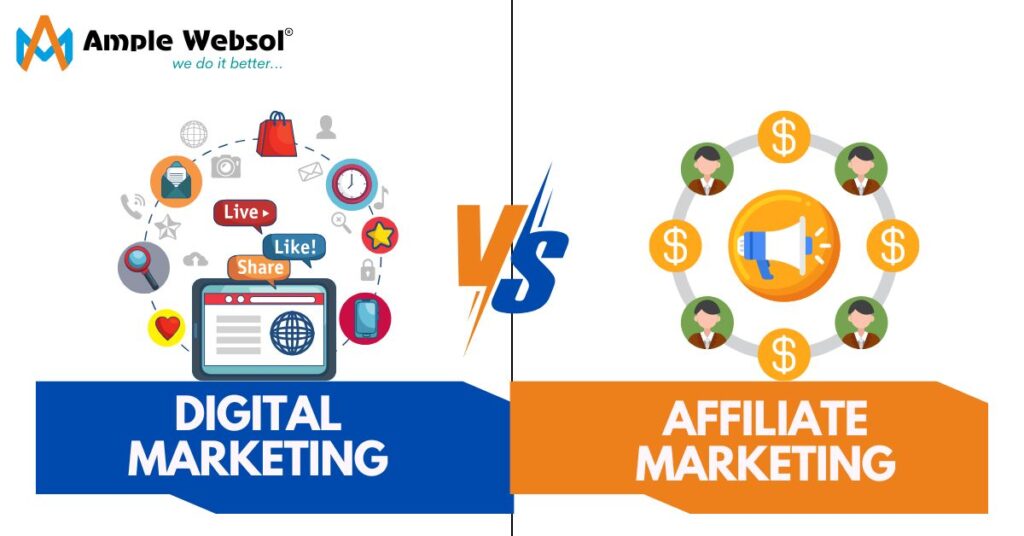
At the end of the day, online advertising and affiliate marketing are about connection. Ads reach people where they already are online, and affiliates connect them through trusted voices. When a brand balances both—sharing creative ads while partnering with the right influencers—it can build awareness, trust, and loyalty in a way that feels authentic. In the digital marketplace, that’s what really makes a brand stand out.
References
Chaffey, D., & Ellis-Chadwick, F. (2019). Digital marketing (7th ed.). Pearson.
Stokes, R. (2022). eMarketing: The essential guide to marketing in a digital world (7th ed.). Red & Yellow Creative School of Business.
Hi Isa! I really enjoyed reading your post. You clearly explained how online advertising and affiliate marketing work differently, but also complement each other when used together. The way you used fashion examples and visuals to illustrate your points made the strategies engaging and easy to understand, as they connected abstract ideas to real-world scenarios that readers can imagine. Your focus on the emotional impact of advertising and the value of genuine partnerships in affiliate marketing highlighted why these methods resonate strongly with audiences, since emotions influence memory, and trust is key to making purchases. These examples made the concepts practical and relatable, which is a strong point in your writing.
Another aspect of these practices is the role of tracking and attribution. Measuring results is crucial for businesses to assess effectiveness and ensure that affiliates are paid fairly. Without reliable metrics, companies risk wasting resources or damaging partnerships. Tracking tools, such as click-through rates and conversions, also help marketers refine their strategies, striking a balance between creativity and accountability.
Isa,
You make an excellent point about making the ad memorable. It is essential to make the audience feel something. The ad should create demand and a need for the audience to want something specific, whether it’s a product, a feeling, or a vibe. I enjoy your point on affiliate marketing. It can be more trusted than a display ad. You make an excellent point about ads being very effective at brand awareness, and then when the audience sees their favorite influencer touting the same product, they may buy. I agree the key to affiliates is authenticity. How would one pick an affiliate or influencer?
I saw an ad for a product on my Facebook feed yesterday; the exact product came up in every other item, literally. The product had over twenty people I follow partnered with it. After a few minutes of the same product endorsed by many unrelated affiliates, I lost my trust in the product, despite its initial appeal. The absolute key is that the partnership must feel authentic to the audience. Your point that this can damage product value instead of building it is spot on!
As far as the layout, it is very nice. It might be more visually appealing if the first few pictures were different sizes, or if they were traded sides of the column space. Overall, excellent explanation of using affiliates and ads together! Authenticity, consumer trust, and balance are key.